How Embedded Finance Changes the Unit Economics of a B2B SaaS Business
From Subscription Revenue to Transaction Revenue
Traditional SaaS revenue is predictable but capped. Each customer pays a fixed amount regardless of how much they use the product.
Embedded finance introduces a different model.
Every transaction becomes a revenue event. Payment processing fees, FX spreads, and payout margins create new income streams that scale with customer activity. The more value your platform facilitates, the more revenue it generates.
This shifts the business from static pricing to usage-driven economics.
But it also introduces a new dependency. Revenue is now tied to infrastructure performance. If payments fail or settlement is delayed, revenue is directly impacted.
Margin Expansion and Margin Pressure
On paper, embedded finance improves margins.
Transaction fees create incremental revenue without increasing subscription costs. Platforms capture value at multiple points in the payment flow. Over time, this can significantly increase lifetime value per customer.
In practice, margins become more complex.
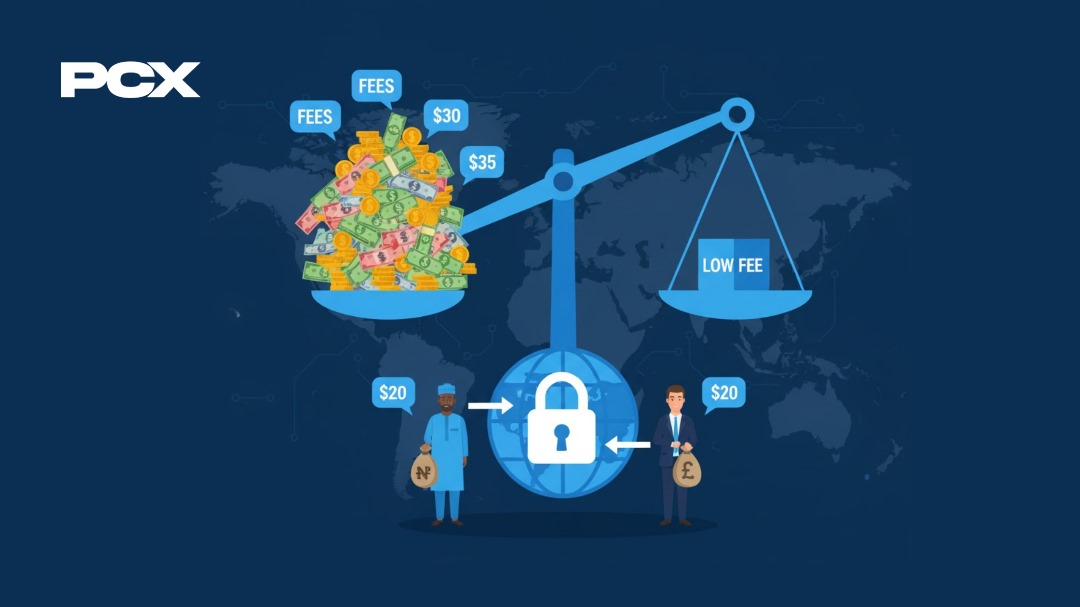
Behind every transaction sits payment infrastructure, cross-border settlement, compliance monitoring, and liquidity management. Each layer introduces cost. Poor routing decisions, inefficient FX execution, or failed transactions can quietly erode margins.
This is why infrastructure matters.
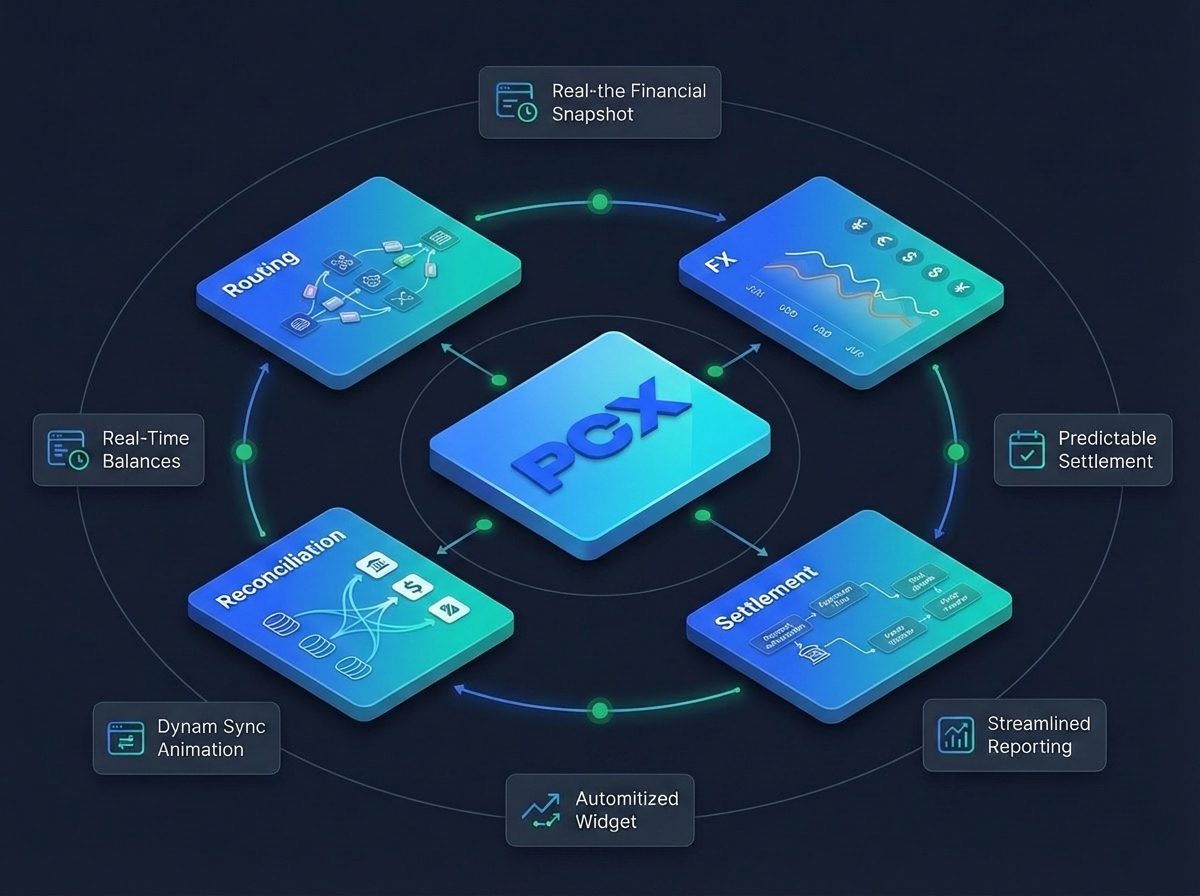
At PCXPay, payment routing, FX optimisation, and settlement coordination are designed as a single system. This reduces leakage across the flow and ensures that revenue generated from transactions is not lost to inefficiencies behind the scenes.
Embedded finance does not automatically improve margins. It improves margins when the infrastructure is designed correctly.
The CAC Shift: From Acquisition to Retention Engine
Customer acquisition cost is one of the hardest constraints in SaaS.
Embedded finance changes that dynamic.
When financial services are built into the product, switching costs increase. Payments, balances, and transaction history become part of the user's workflow. The product is no longer just software. It becomes operational infrastructure.
This increases retention.
It also creates organic growth loops. Users who rely on the platform for financial operations are more likely to expand usage, invite partners, and consolidate workflows.
Over time, CAC becomes less about constant acquisition and more about compounding engagement.
But this only works if the financial experience is reliable. Failed payouts or inconsistent settlements break trust quickly. What should increase retention can instead accelerate churn.
Where Many Platforms Get It Wrong
The common mistake is treating embedded finance as a feature rather than a system.
A payment API is added. A wallet is introduced. A payout flow is built.
But the underlying infrastructure remains fragmented.
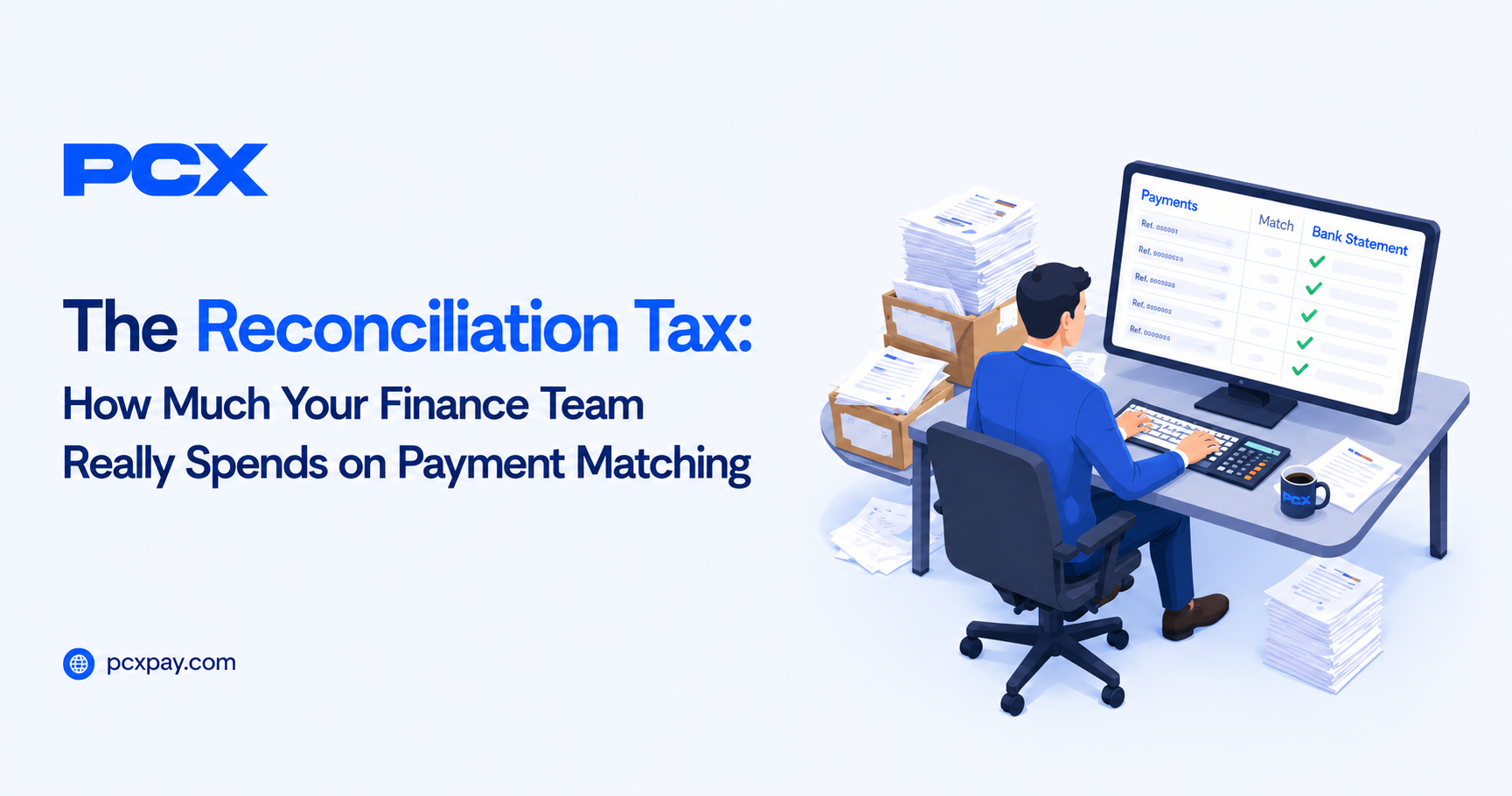
At low volume, this is manageable. At scale, it creates friction. Reconciliation becomes complex. Transaction visibility is inconsistent. Finance teams rely on manual processes. Engineering teams spend time fixing edge cases instead of building forward.
The economics begin to work against the platform.
Revenue grows, but operational cost grows faster.
Designing for Economic Efficiency
Embedded finance works best when the system is coordinated from end to end.
Payment routing, compliance checks, FX execution, and settlement flows need to operate as a unified layer. Data must be consistent across transactions. Reporting must be real-time and audit-ready.
This is where infrastructure providers like PCXPay fit in.
By abstracting the complexity of cross-border payments, compliance, and settlement, platforms can focus on capturing value rather than managing fragmentation.
The result is not just additional revenue.
It is a more efficient revenue system.
Explore how PCXPay helps B2B platforms embed payments, optimise transaction flows, and scale revenue without increasing operational complexity.