The "1,000 Transactions" Trap: Why Early Payment Success Doesn't Scale
Why Small Scale Hides Infrastructure Weaknesses
At low transaction volume, operational inefficiencies remain invisible because humans compensate for them manually.
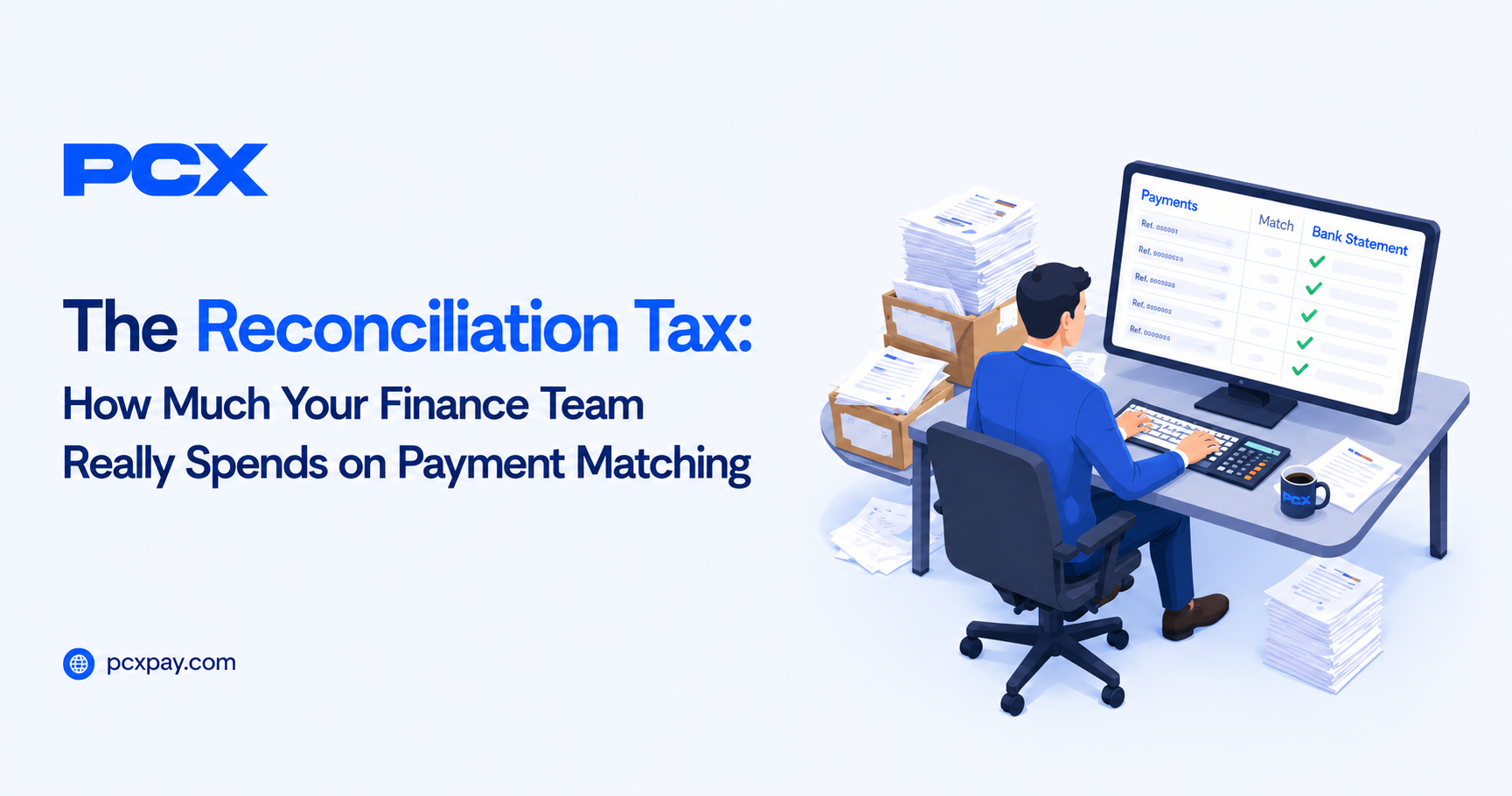
Failed payouts can be investigated individually. Delayed settlements can be reconciled in spreadsheets. Duplicate references can be resolved through support escalation. Most edge cases remain isolated enough not to disrupt the broader system.
Scale removes that flexibility.
A retry flow that works for ten failed transactions becomes dangerous across ten thousand. A reconciliation process that once took minutes now consumes entire finance cycles. Infrastructure designed around "normal conditions" struggles when partner instability, FX fluctuations, and asynchronous settlement windows start happening simultaneously.
The issue is rarely one catastrophic failure.
It is the accumulation of small architectural assumptions that were never designed for volume.
The Failure Points That Appear First
As platforms scale, the earliest cracks usually emerge in visibility and orchestration rather than processing itself.
Transaction states begin drifting across systems. One provider confirms success while another delays settlement. Retry logic unintentionally duplicates requests across rails. Monitoring tools report uptime even while transaction completion rates quietly decline underneath.
From the user perspective, payments become inconsistent.
From the internal perspective, teams lose operational clarity.
This is where many companies discover that payment infrastructure is not just about moving money. It is about coordinating multiple independent systems that behave differently under stress.
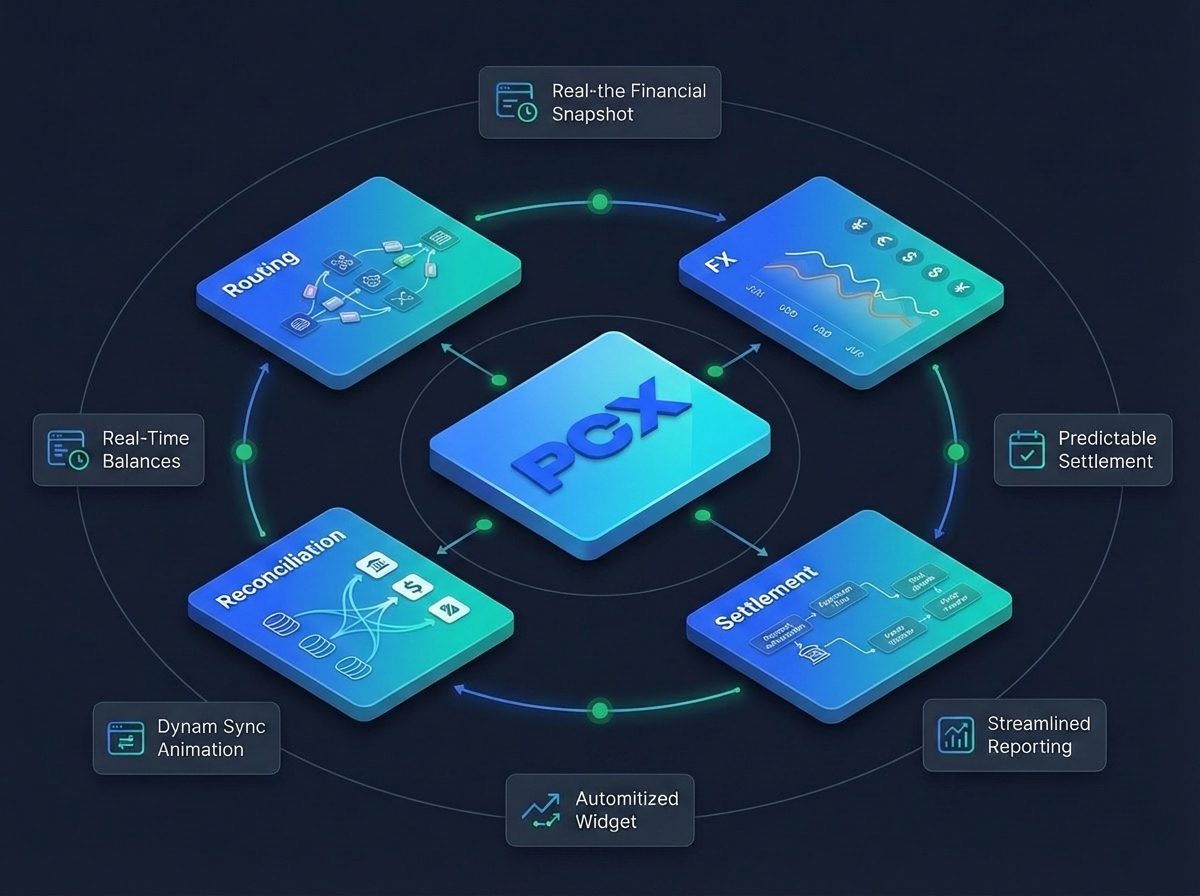
At PCXPay, scalability is approached as an infrastructure visibility problem as much as a transaction problem. Routing logic, settlement tracking, reconciliation states, and partner health monitoring are designed to operate as part of a coordinated system rather than isolated integrations.
Because once transaction volume grows, fragmented infrastructure creates operational drag far faster than most teams expect.
Reliable payment architecture is not defined by whether transactions work during ideal conditions. It is defined by whether systems remain observable, recoverable, and predictable when conditions stop being ideal.
The companies that scale payment operations successfully are rarely the ones with the most integrations.
They are usually the ones with the clearest operational control.
If your payment stack still depends heavily on manual reconciliation, reactive retries, or fragmented visibility layers, early success may be hiding future infrastructure risk.
Explore how PCXPay designs payment infrastructure for operational resilience, transaction visibility, and scale beyond the first thousand transactions.