Why Sending Money to Lagos Should Cost the Same as Sending to London
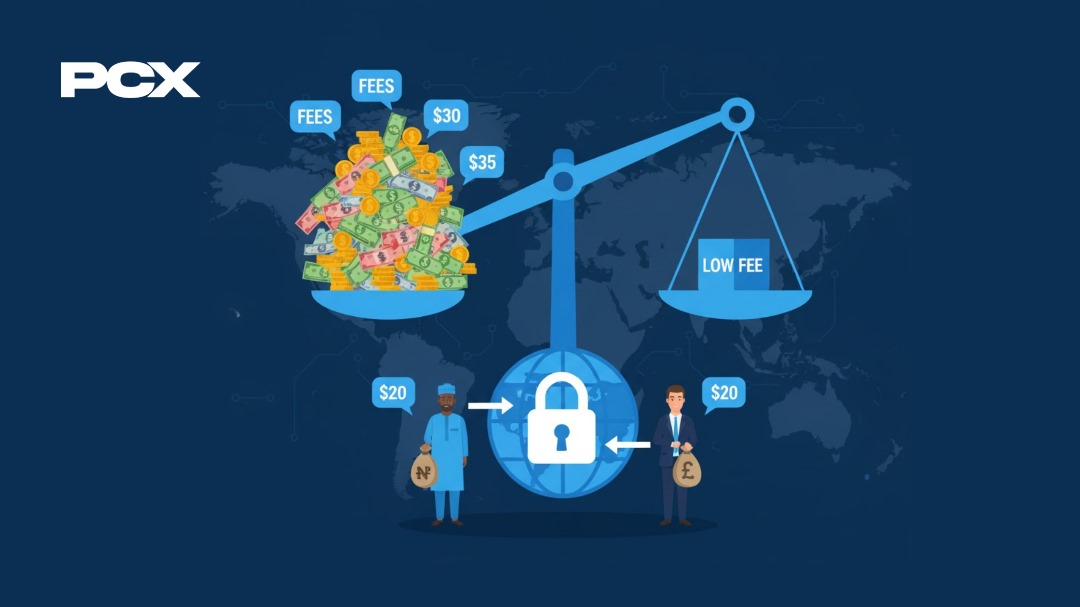
Why Lagos costs more than London
At first glance, this feels like bias. Why should sending to London be smoother than sending to Lagos? The truth is systemic:
- Payments still travel through correspondent banking chains built in the 1970s.
- FX markets for naira are shallow compared to GBP or USD, which inflates spreads.
- Regulatory checks across multiple jurisdictions slow everything down.
- Liquidity shortages in local markets mean higher costs to move funds.
London sits at the center of global FX markets. Lagos sits on the margins. The rails are uneven and businesses pay the price.
The real cost of inequality
This gap isn’t abstract. It affects millions every day.
- SMEs lose competitiveness when every cross-border sale eats into margin.
- Freelancers and creators wait days to be paid for digital work that should move instantly.
- Global platforms hesitate to expand into African markets because payouts are unreliable.
The result is a two-tier global economy: one set of countries enjoys fast, cheap payments, while another struggles with cost and delay.
The tools already exist
The irony is that we don’t need to invent new rails to solve this. The pieces are already here.
- Stablecoins make value portable and predictable.
- Direct corridor partnerships bypass unnecessary intermediaries.
- Smart routing moves liquidity through the fastest, cheapest path available.
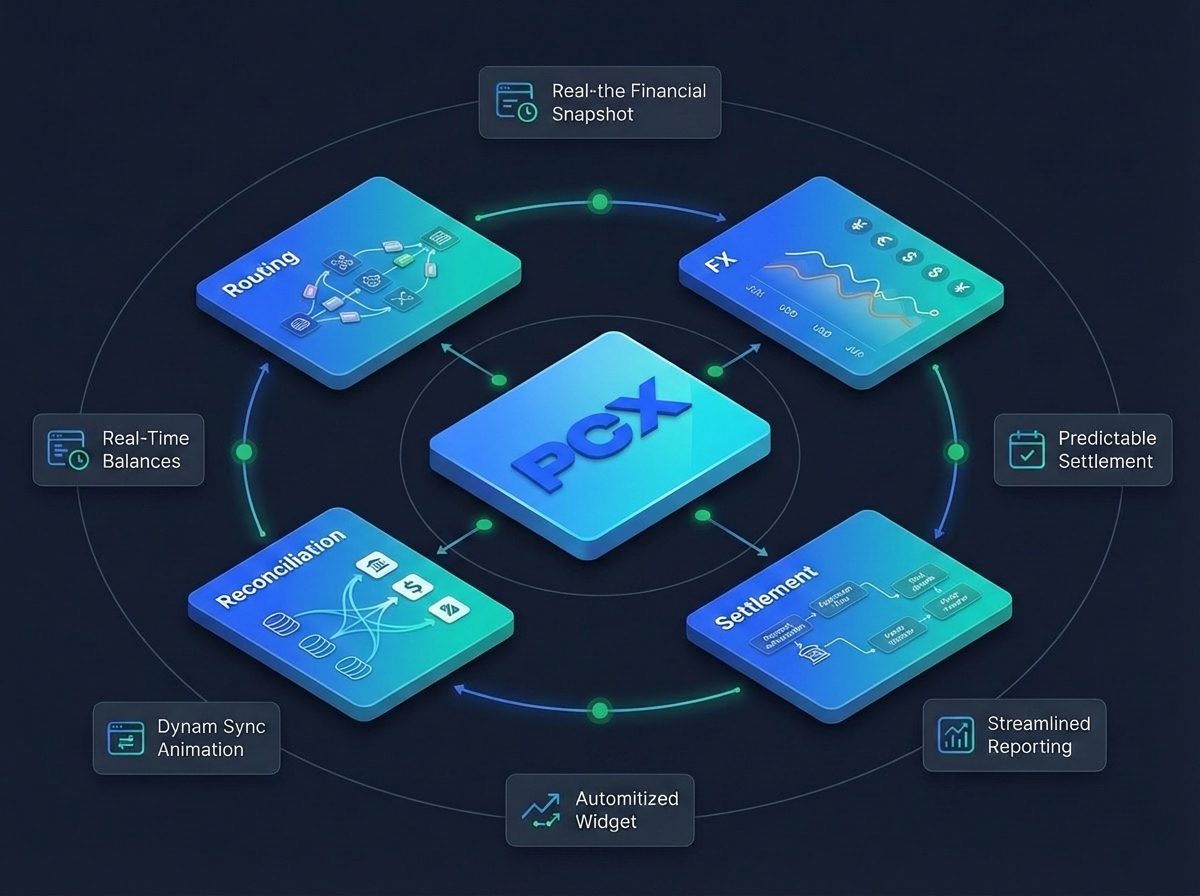
What’s missing is the connective layer that brings it all together. Not another rail but middleware that turns fragmented options into seamless infrastructure.
What equal access unlocks
If sending $1,000 to Lagos felt identical to sending $1,000 to London, the impact would be profound.
- A designer in Nigeria could work globally and get paid instantly.
- A marketplace in Accra could expand into Europe without bleeding margins.
- Enterprises could scale into Africa knowing payments were no longer a barrier.
Global commerce only works when it works everywhere. Until Lagos and London cost the same, the system is broken.
The real question
The question is no longer can we fix this. The rails exist. The solutions are proven. The question is why haven’t we applied them at scale?
The future of payments must make Lagos equal to London. Because only then does the global economy truly live up to its name.