The Smart Routing Layer: How We Fix Broken Cross Border Payments

Traditional payment systems rely on fixed routes. Once a transaction is initiated, it follows a predetermined path regardless of changing conditions. If liquidity is low, settlement is delayed. If a rail is congested, the transaction stalls. If FX rates shift, costs increase.
In a global, always on digital economy, this approach no longer works.
At PCXPay, we see cross border payments as a routing problem, not just a transfer problem. The difference matters.
Why Fixed Routes Fail
Every payment corridor behaves differently. Settlement times vary by region. Regulatory requirements change. Liquidity fluctuates. Yet many systems still assume that one route will always be available and optimal.
When that assumption fails, users feel it immediately. Payments are delayed. Transactions are reversed. Platforms lose credibility even when the problem sits deep in the infrastructure layer.
This is why reliability in cross border payments is not about speed alone. It is about adaptability.
Building a Smart Routing Layer
A smart routing layer evaluates multiple factors in real time. Instead of forcing transactions through a single rail, it considers availability, cost, FX efficiency, settlement timelines, and historical performance before deciding how money should move.
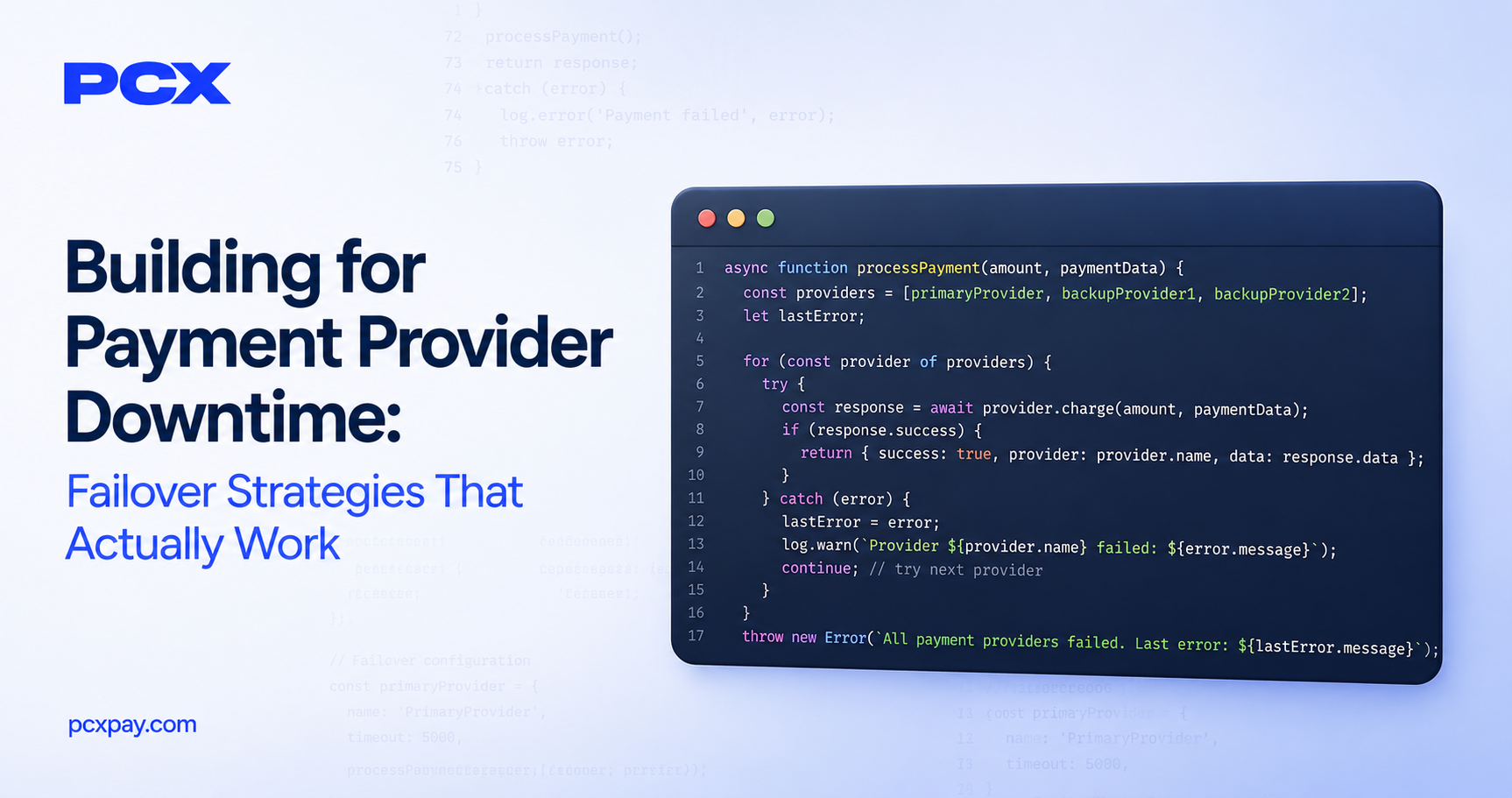
At PCXPay, this approach allows payments to adjust dynamically rather than fail silently. When one route becomes unreliable, another can be used without disrupting the user experience.
For platforms, this means fewer failed payments and more predictable outcomes. For users, it means money arrives when expected, without needing to understand the complexity behind it.
Why This Matters to Platforms and Users
When routing works well, payments fade into the background. Users complete actions without interruption. Platforms spend less time troubleshooting and more time building products.
More importantly, smart routing builds trust. Users may not understand how money moves, but they remember when it does not. Predictable payments create confidence, and confidence keeps users engaged.
Cross border payments do not need to be fragile. With the right infrastructure, they can be resilient, adaptive, and dependable.
That is the difference a smart routing layer makes.